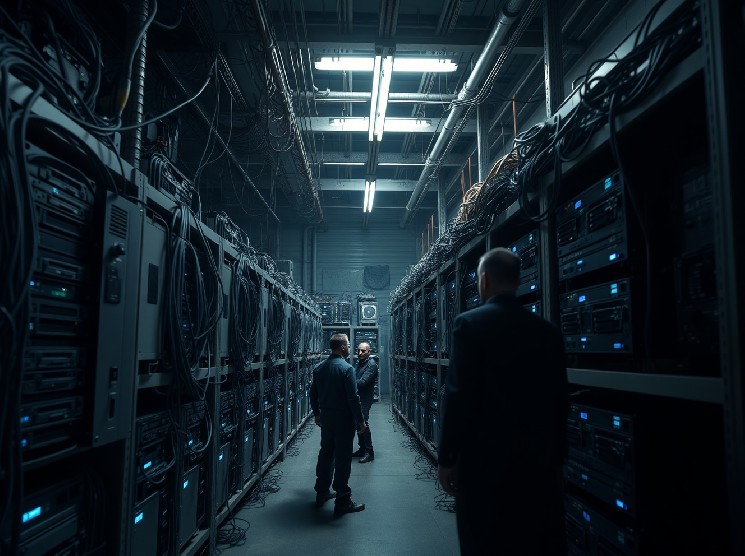
Authorities in Russia have dismantled an illegal cryptocurrency mining operation in the Ural region, seizing approximately 10,000 mining units hidden inside industrial facilities. The discovery, first reported by local media outlet Bits, highlights the growing scale of clandestine crypto mining in the country and the strain it places on public infrastructure.
Massive Operation Concealed in Industrial Sites
The mining farm was spread across two cities in the Ural region, with equipment carefully concealed within industrial buildings to avoid detection. Investigators found that the operators had tampered with power meters to illegally draw more than double the permitted electricity capacity. The unauthorized power consumption caused significant disruptions, including power outages in nearby residential and commercial areas.
According to authorities, the operation caused an estimated 1 billion rubles (approximately $13.89 million) in damages, primarily from stolen electricity and infrastructure strain. Three suspects have been arrested in connection with the farm, though investigations are ongoing to determine whether additional individuals or networks were involved.
Broader Crackdown on Illegal Mining
The raid is part of a wider enforcement effort against unauthorized cryptocurrency mining across Russia. In recent weeks, smaller illegal mining farms have been discovered in other regions, signaling a pattern of growing illicit activity. The Russian government has previously recommended banning cryptocurrency mining in certain energy-stressed regions, particularly those facing electricity shortages or infrastructure vulnerabilities.
Russia’s stance on crypto mining remains complex. While the country has legalized mining under regulated conditions, illegal operations continue to proliferate, often exploiting subsidized or industrial electricity rates. The Ural region, known for its industrial base and relatively low energy costs, has become a hotspot for such activities.
Why This Matters
This case underscores the tension between Russia’s regulatory framework for cryptocurrency and the practical challenges of enforcement. Illegal mining not only drains public resources but also destabilizes local power grids, affecting ordinary citizens and businesses. For the global crypto community, the incident serves as a reminder of the risks associated with unregulated mining operations, including legal consequences and reputational damage to the industry.
The scale of the Ural farm—10,000 units—places it among the larger illegal operations uncovered worldwide. It also raises questions about the effectiveness of current monitoring systems and whether further regulatory measures are needed to curb similar activities.
Conclusion
The discovery of a 10,000-unit illegal crypto mining farm in Russia’s Ural region represents a significant enforcement action, with damages exceeding $13 million and multiple arrests. As authorities intensify crackdowns, the case highlights the ongoing challenges of regulating cryptocurrency mining in energy-rich but infrastructure-sensitive areas. The outcome of the investigation may influence future policy decisions regarding mining permits and regional bans.
FAQs
Q1: How did the illegal mining farm avoid detection?
The operators concealed the mining equipment inside industrial facilities and tampered with power meters to hide the excessive electricity consumption.
Q2: What damages did the operation cause?
The illegal electricity consumption caused approximately 1 billion rubles ($13.89 million) in damages and led to power outages in nearby areas.
Q3: Is cryptocurrency mining legal in Russia?
Yes, cryptocurrency mining is legal in Russia under regulated conditions, but unauthorized operations that steal electricity or violate regional restrictions are illegal and subject to prosecution.