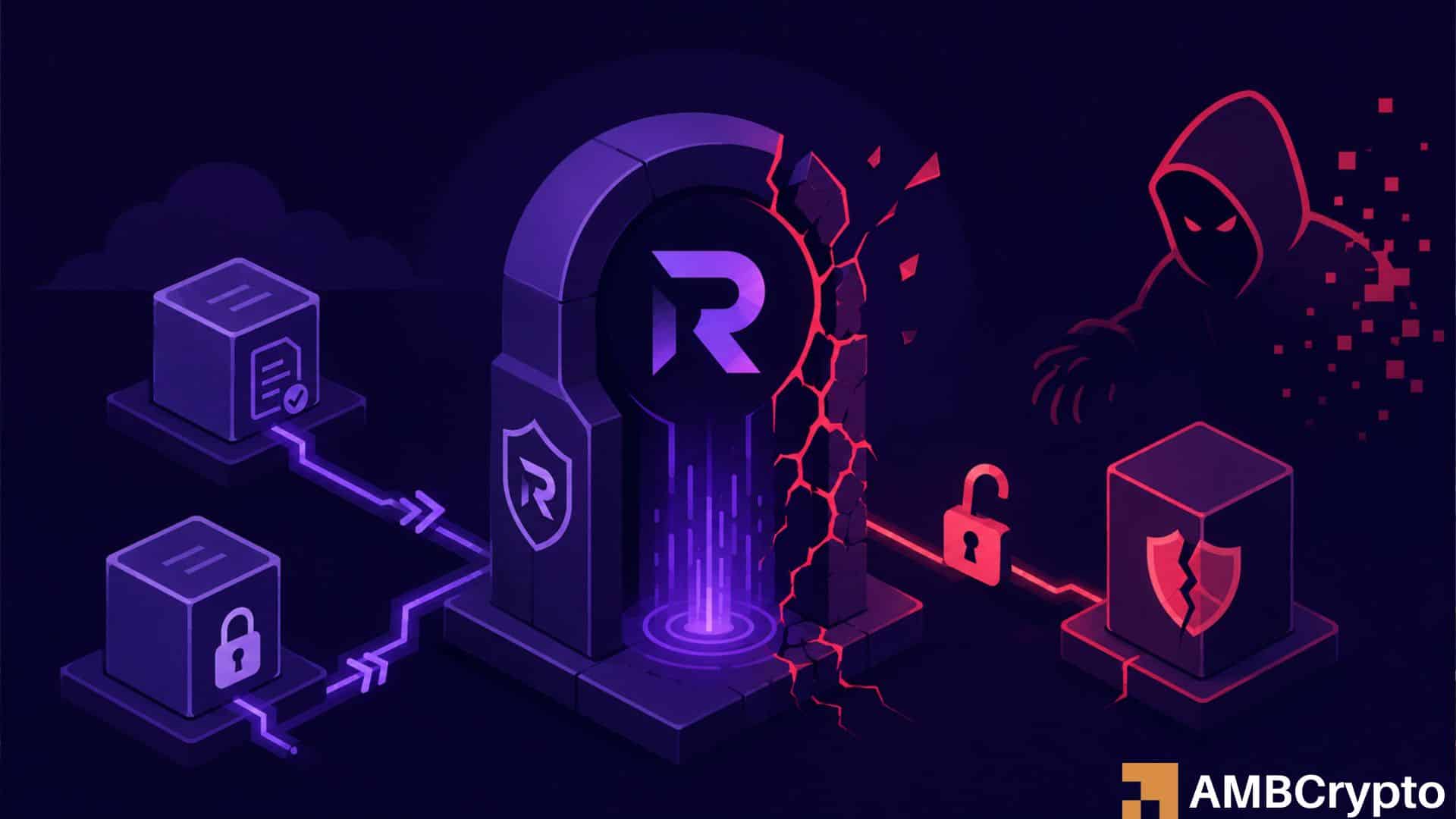
As trading activity expanded across DeFi markets, Renegade Fi encountered a preventable security failure inside its trading infrastructure. The attacker exploited an unprotected initializer within the Dark Pool proxy contract on Arbitrum and gained privileged delegatecall access.
The attacker then drained nearly 27 ERC-20 assets from the affected contract. Those assets included WBTC, PENDLE, LDO, CRV, RDNT, and SYNTHR, while total losses approached roughly $209,000.

That exploit revealed how deployment-level weaknesses still bypass sophisticated infrastructure across modern DeFi systems.
Instead of targeting advanced cryptographic flaws, the attacker exploited a simple setup oversight during proxy initialization.
Meanwhile, Blockaid quickly flagged suspicious activity, while the incident reinforced growing operational fragility across interconnected DeFi environments.
Shared proxy infrastructure raises broader exploit risk
As Renegade Fi’s exploit spread across Arbitrum, Blockaid quickly shifted attention toward broader containment and infrastructure risk. In a post on X, Blockaid urged users to revoke approvals and pause integrations before exposure spread across connected systems.

That urgency reflected deeper concerns beneath the initial $209,000 exploit.
Contracts sharing the same implementation address immediately faced elevated scrutiny. Those concerns increased fears that similar vulnerabilities could spread across interconnected proxy deployments.
Meanwhile, the incident highlighted how rapidly operational risk spreads once upgradeable infrastructure becomes compromised.
Proxy architectures improve protocol flexibility and upgrade efficiency, though they also concentrate execution authority around critical implementation layers.
However, Blockaid’s rapid response helped limit broader contagion pressure. Even so, the exploit reinforced how quickly localized deployment failures evolve into ecosystem-wide security concerns across DeFi infrastructure.
Operational failures still undermine DeFi security
As Renegade’s $209,000 exploit circulated across DeFi markets, deeper concerns around operational discipline quickly resurfaced. The attack originated from a basic proxy configuration flaw rather than a sophisticated infrastructure failure.
That weakness reflected a broader pattern spreading across modern DeFi systems. OWASP recently elevated proxy and upgradeability vulnerabilities within its 2026 Smart Contract Top 10 rankings. Similar setup flaws still account for a significant share of recurring exploits despite expanding audit coverage.
Meanwhile, smaller exploits continued to create disproportionate reputational damage across the ecosystem. Individual losses often remain limited, though repeated incidents steadily reinforce perceptions of fragile infrastructure beneath DeFi growth.
Security tooling, monitoring systems, and audits have improved sharply in recent years. Yet recurring setup failures still show operational execution continues lagging behind rising protocol complexity and upgrade speed.
Final Summary
- Renegade Fi’s $209,000 exploit showed how simple proxy misconfigurations still create critical risks across modern DeFi infrastructure.
- Renegade Fi’s incident reinforced how operational failures continue outpacing security maturity despite stronger audits, monitoring systems, and tooling.