“Regardless of how you feel about crypto, we can’t just ignore it,” said Blockchain Association CEO Summer Mersinger in a CoinDesk interview. “It’s here, and the best thing that we can do is create a federally federal regulatory structure for it. It’s hard to argue against that, regardless of whether you like crypto or not.”
The betting on Kalshi predicts a Democratic House majority at an 84% likelihood, though that chance is much less (a 47% coin toss) for the Senate, where Democrats face a tougher election battlefield this year. But if they prevail, a Democratic Senate could mean Senator Elizabeth Warren — the bane of crypto lobbyists — ascends to lead the key Senate Banking Committee.
President Donald Trump has made it a special goal to welcome crypto into the U.S. financial regulation tent, with a major win on stablecoins and a contentious fight on market structure. But many of his Democratic political foes have spent considerable time focusing on severing Trump’s own crypto business ties. They’ll almost certainly pursue congressional investigations of his digital assets activity if they’re running the agenda.
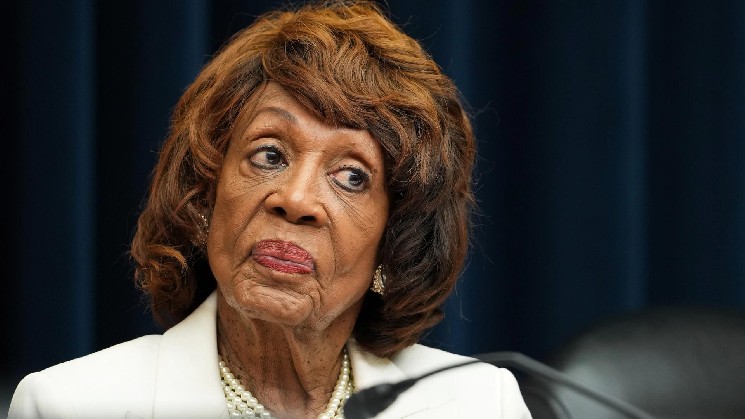
Waters has been among the critics of Trump’s motives. However, the California lawmaker also had once negotiated an earlier stablecoin effort just inches from the finish line in 2022 — a predecessor to last year’s successful Guiding and Establishing National Innovation for U.S. Stablecoins Act (GENIUS) Act. While she’s shown a past willingness to take crypto seriously as a topic of legislation, she has been aggressively critical of the Clarity Act (which is facing a narrowing chance for a vote in the Senate).