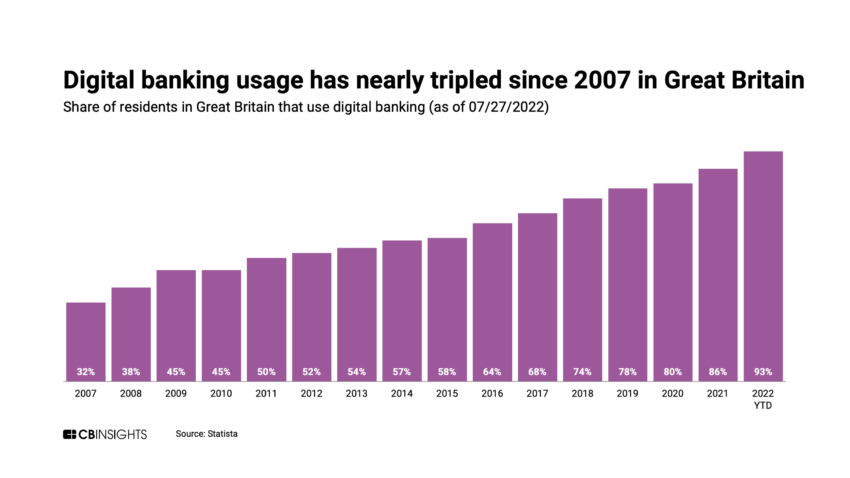
As we turn the spotlight on the complex world of financial institutions, we see an intriguing narrative unfold. This narrative transcends traditional banking mechanisms, inviting us to explore the transformative potential of challenger banks and question the ethics of their funding.
Let’s embark on a journey of exploration into this dynamic and rapidly evolving landscape.
In the backdrop of the traditional banking behemoths, challenger banks are carving out a unique space, creatively disrupting the status quo. As we examine this trend, we are compelled to consider not just its financial implications, but also the broader social and ethical dimensions of the changes.
A New Breed of Banks
Picture the financial sector as a bustling ecosystem. Among the towering institutions of traditional banks, a new breed, known as challenger banks, is gaining momentum.
These agile, nimble entities are strategically venturing into market niches typically overlooked by their established counterparts. Their allure lies in their innovative, customer-centric offerings – with some even venturing into cryptocurrency. For customers seeking more adaptable banking services, the appeal is undeniable.
Swiss Power Play in Emerging Markets
Now let’s shift our gaze to Switzerland, home to Blue Earth Capital. This firm, in collaboration with Apis Partners, is making a bet on Tyme Group, a digital banking entity headquartered in Singapore. Their business model is intriguing: the target customers are primarily unbanked populations – people traditionally overlooked by the banking industry.
It’s an audacious attempt to bridge the chasm between the underserved and the sophisticated world of banking.
Unpacking Tyme Group’s Ambition
Tyme Group has made a name for itself in the world of banking with its blistering pace of growth. It isn’t merely the velocity of its expansion that draws the eye, but its choice of destination: emerging markets.
These markets, often left in the shadows of traditional banking, are Tyme’s primary focus. It’s a bold move, pointing to a daring business strategy, but it also invites scrutiny.
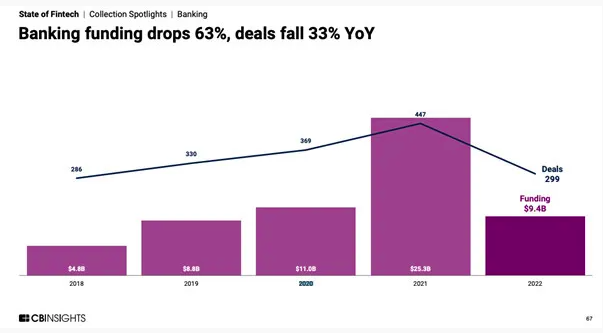
Let’s talk numbers. A recent funding round saw Tyme’s coffers swell significantly, thanks in part to the investment from Blue Earth Capital and Norrsken. The influx of funds bolsters Tyme’s aspirations, but it also begs a critical question: at what cost does this rapid expansion come?
Unprecedented Customer Reach
Take South Africa as an example. In this country, TymeBank boasts a staggering seven million customers. For many of these individuals, TymeBank isn’t just a banking option – it’s their first-ever access to banking services.
An invaluable lifeline in an era where financial inclusion is no longer a luxury but a necessity.
A New Dawn in the Philippines
Rewind to October 2022, when GoTyme launched in the Philippines. Much like its sister entity in South Africa, GoTyme aimed to provide essential financial services to the unbanked and less financially literate investors. The democratization of financial services, as described by TymeBank CEO Coen Jonker, appears to be in full swing.
Despite the promising narrative, the journey of challenger banks is far from a smooth sail. These institutions face a unique set of challenges, the most crucial being their Know-Your-Customer (KYC) initiatives.
Larger, traditional banks often have extensive resources to verify the identities of their customers—a luxury that challenger banks might struggle to afford.
An Unwanted Accolade
The United Kingdom’s Financial Conduct Authority provides a sobering perspective. A 2022 review revealed a shocking shortcoming among challenger banks – a severe inability to verify the backgrounds of their customers. It’s a serious issue with profound implications. These tech-savvy, customer-friendly banks could unintentionally become conduits for financial crime.
Are Customers at Risk with Challenger Banks?
This raises a fundamental question: are challenger banks jeopardizing their customers? Are they inadvertently putting unsophisticated investors and customers at risk of losing their hard-earned wealth? To answer this, we must consider the key concern here: inadequate Know-Your-Customer (KYC) procedures.
Challenger banks, in their quest to quickly serve the unbanked and underserved, may not have the robust KYC measures that are typical in traditional banking institutions. This gap may breed fertile soil for fraudulent activities, potentially turning these banks into inadvertent conduits of financial crime.
Imagine an unsophisticated customer falling prey to a fraud scheme or a novice investor unknowingly involved in a money-laundering scheme. These situations not only result in financial loss but also bring emotional distress and reputational harm. Furthermore, if these occurrences become commonplace, it might discourage potential customers from utilizing such banking services, ultimately defeating the purpose of financial inclusivity.
Thus, the rush to democratize financial services could, paradoxically, put the wealth of the very individuals they aim to empower at considerable risk. Therefore, while challenger banks are indeed opening up new possibilities, they need to tread carefully to ensure they do not endanger the financial security of their customers.
The KYC Conundrum
To fully understand the risks, one must delve deeper into the importance of KYC. In essence, it’s a process used by banks to confirm the identity of their clients, thereby ensuring that they’re not involved in corruption, money laundering, or other financial crimes. The process is not only crucial for the integrity of the financial system, but also for the protection of customers.
Robust KYC procedures help promote a secure banking environment, reducing the risk of fraud and money laundering. For challenger banks with weaker compliance systems, the danger increases significantly. Consequently, these institutions could unwittingly become a haven for financial criminals, leading to the exploitation of unsophisticated customers and investors.
Challenger Banks: Potential Repercussions
What does this mean for those invested in these banks? For the unbanked and unsophisticated investors, this could result in significant financial loss and victimization through fraud. Moreover, it could lead to financial exclusion if these challenger banks face regulatory action or, in worst-case scenarios, insolvency.
Considering the potential risks to vulnerable customers and investors, one must question the social consciousness behind funding such entities. Is it ethical to support a banking model that might put at risk the very people it aims to serve? While the drive for financial inclusion is commendable, the means to that end need to be just as socially conscious.
Urgent Call for Improved Regulations
The existence of challenger banks is not the issue at hand; rather, the focus should be on enhancing regulatory standards. Governments and regulatory bodies must work tirelessly to ensure that these banks meet stringent KYC requirements. After all, it is the safety and security of consumers that are at stake.
As for investors in challenger banks, they must remain diligent. It’s essential to analyze not just growth potential and profitability, but also the social and ethical implications of their investments. A responsible investor should consider whether their investment is contributing to financial inclusion or inadvertently facilitating financial crime.
The Duality of Challenger Banks
The rise of challenger banks is a double-edged sword. While they bring the promise of financial inclusion and innovative banking solutions, their shortcomings may risk the financial security of vulnerable populations.
Therefore, the social consciousness of funding such ventures is indeed a complex issue that warrants further exploration and debate.
Disclaimer
Following the Trust Project guidelines, this feature article presents opinions and perspectives from industry experts or individuals. BeInCrypto is dedicated to transparent reporting, but the views expressed in this article do not necessarily reflect those of BeInCrypto or its staff. Readers should verify information independently and consult with a professional before making decisions based on this content.