
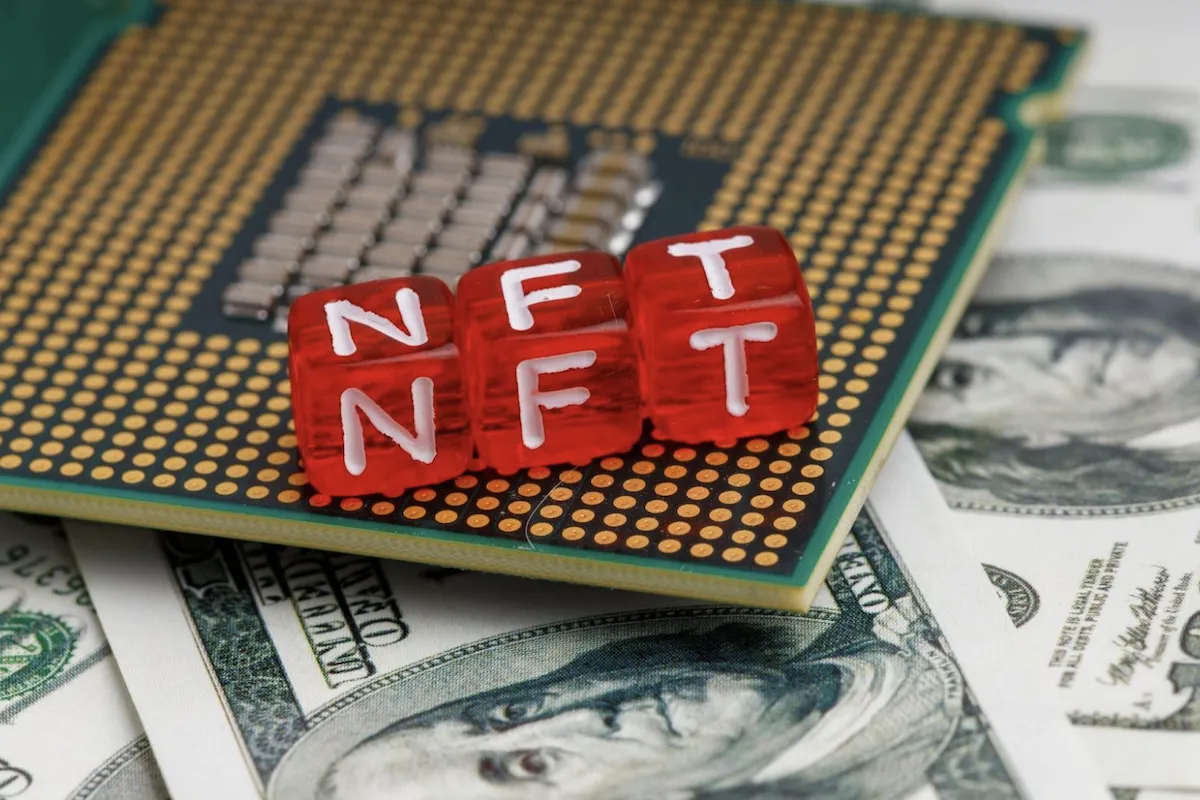
Statistics show that gaming is bigger than ever, with the Entertainment Software Association reporting that approximately 227 million people in the United States took part in video games in 2021. That’s a significant number, and it reflects a broader global trend: individuals worldwide have shifted from seeing games as a simple pastime to treating them as hobby-grade pursuits that bring people together. Interest in blockchain-based games has grown significantly, partly because these games allow players to earn tangible rewards. The market for these game-centric tokens was valued at several billion dollars in 2022, according to some studies. That’s a hefty figure and hints at the growing popularity of play-to-own titles and their associated tokens, often called NFTs.
A Quick Look at the Play-to-Own Phenomenon
The play-to-own model has become an intriguing aspect of both NFT gaming and virtual casinos. In the world of NFTs, players can own, trade, and profit from digital assets, similar to how participants in virtual casinos have the chance to win real value through gameplay. This crossover creates a unique synergy where both industries are offering more than just entertainment—they’re offering ownership and potential long-term rewards. Virtual casinos, like golden panda attract crowds because they add an extra layer of excitement and the possibility of walking away with a prize, all from the comfort of home. It’s not just about pulling a lever on a slot machine; it’s also about using smart methods, balancing risk, and finding ways to have fun. This kind of excitement is quite similar to what players experience when diving into a fresh play-to-own release. Many consider both approaches rewarding, though in different ways.
Play-to-own has come a long way since the first wave of browser titles that rewarded players with minor trinkets or game credits. In these new ecosystems, participants might collect blockchain-based items that have verifiable scarcity, meaning that each one has a unique ID. This setup makes game content feel more like a personal holding than just something that exists on a server. Many fans say it pushes them to spend more time in these worlds and connect with fellow players, since each collectible can be traded or even sold for real money.
A big incentive for players is the idea that they’re not throwing cash at ephemeral items with no value outside a publisher’s platform. Instead, they have items that can be tracked and moved, as though they’re part of a broader collectibles market. It’s one reason folks have been so intrigued by this new approach: it combines the fun of games with the chance to accumulate assets in a way that previously wasn’t possible.
This isn’t just about financial speculation, though. Many gamers want a deeper experience, and they appreciate the choice to hold, trade, or even craft fresh collectibles using in-game systems. Some titles let participants stake or bond their items, further increasing the variety of tasks one can do. So rather than repeating the same raids or quests just for bragging rights, people actually compete and collaborate for rewards that can carry weight in the real world.
NFTs and Their Impact on Game Economies
Non-fungible tokens (NFTs) became a hot topic in 2021, from carbon credits to gaming credits, it’s all thanks to massive headlines about art-based auctions and high-profile drops. In the gaming sector, NFTs have opened the door to new revenue models by allowing unique skins, characters, and gear to be traded directly between players. It’s a direct shift from the days when game publishers were the sole gatekeepers of in-game transactions, forcing players to buy items with no real mechanism for resale.
Thanks to blockchain technology, each NFT has a recorded ownership history, plus details that confirm its uniqueness. That means that even if two items appear similar, they can still be recognized as entirely separate entities on the public ledger. The upside for gamers is not just bragging privileges, but also the possibility of fetching higher prices for certain items, especially if they’re scarce or have a strong utility in a game’s mechanics. The sense of genuine scarcity can encourage specialized markets that revolve around collecting or trading these items, potentially fueling more involvement from enthusiastic fans.
How Play-to-Own Differs from Play-to-Earn
Although the two terms may sound similar, play-to-own is a slightly different spin compared to play-to-earn. Play-to-earn titles generally emphasize the idea that you can generate a stream of currency simply by playing. Some participants treat those games almost like a side job, focusing on ways to grind out coins or tokens. The risk is that if prices drop, the perceived “earnings” may lose a good chunk of their worth overnight.
Play-to-own leans a bit more toward the concept of collecting and building a permanent library of items, characters, or other assets. Instead of focusing on short-term token rewards, many of these titles revolve around the process of making meaningful progress in the game while holding onto items that might be sold or traded later. In short, it strikes a balance between fun and potential payback. Gamers who prefer variety often gravitate to these models, since they can shift between different types of playstyles—some might enjoy exploring the environment in cooperative quests, while others enjoy a more competitive scene.
Conclusion
NFTs have experienced a steady rise in value over the past four to five years, with sales reaching record numbers in late 2023, surpassing $900 million. In 2024, the market value of NFTs reached approximately $8.8 billion, up from $8.7 billion in 2023.
Ethereum and Bitcoin continue to lead the market, each registering $3.1 billion in sales, and then comes Solana with $1.4 billion. Looking ahead to 2025, the global NFT market is projected to grow significantly, with estimates suggesting it could reach $61 billion, up from about $43 billion in 2024. Additionally, the global user base of NFT enthusiasts is expected to expand to around 11.6 million by 2025.
Long-term projections for the market are even more optimistic, with forecasts indicating it could soar to $247 billion by 2029, driven by increasing utility, mainstream adoption, and involvement across various industries—from carbon markets to gaming, where NFTs are increasingly shaping economic models. The rise of NFTs is transforming the digital landscape, affecting everything from virtual economies to consumer behaviors.
Main Image Source: Unsplash





2 Comments
Is CARBOFIRE a scam, or is it a legitimate product?: carbofire scam
Is MitoThrive a scam, or is it legitimate?: mitothrive scam