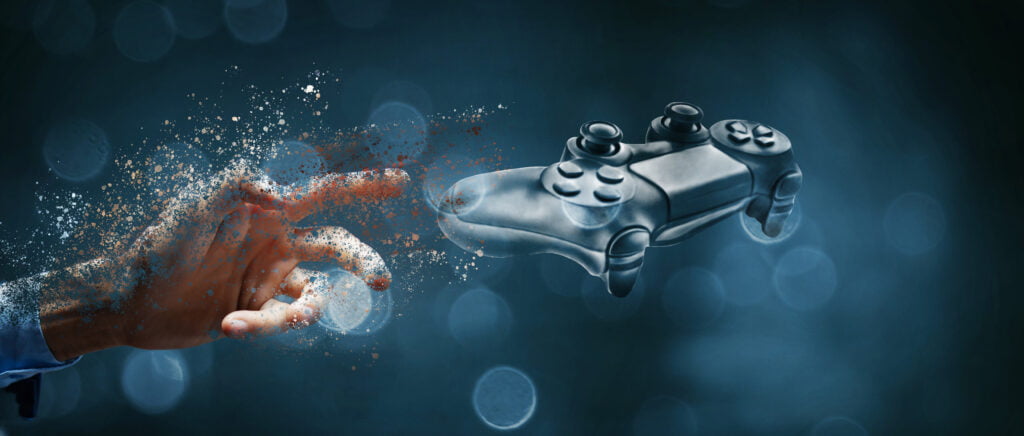
Few people expected the advent of blockchain technology to usher in a new era for gaming. Propelled by a relentless wave of hype and innovation, uncountable blockchain games have rolled off the production line in recent years as both crypto-native and web2 studios have gotten in on the act.
It is perhaps unsurprising that as this new era unfolds, entrepreneurs and game developers have drawn inspiration from the successful concepts, patterns and models from the traditional gaming world. And in fact, this is no bad thing. Whether groundbreaking results in web3 gaming are achieved by innovators and pioneers, or merely pragmatists who adapt and build on what has gone before, is immaterial. Retrofitting web2 concepts with web3 technologies isn’t unique to gaming either: many web3/crypto protocols don’t so much reinvent the wheel as equip it with superior technology to make it go faster.
Ultimately, the blockchain gaming industry’s embrace of tried-and-true concepts fuels growth, enhances UX and promises to transform the gaming landscape for the better. Here’s how.
Blockchain and Gaming: A Perfect Match
By putting video games on blockchain rails, developers can enrich the playing experience by enabling the use of in-game assets and currencies, delivering true ownership and paving the way for a flourishing secondary market.
The benefits of doing so are twofold: first, gamers get to experience the familiarity of traditional games while accessing new layers of play-to-earn (P2E) possibilities. Moreover, an entirely new revenue stream is created for developers and players thanks to the ability to earn, trade, sell and profit from virtual commodities (avatars, skins, weapons, etc).
While non-fungible tokens (NFTs) have been unfairly maligned due to difficult macro factors (whoever said these tokens would hold their value in perpetuity?), their integration into games has been a largely positive development. Web3 technology enables the creation and storage of unique, verifiable and tradable in-game items that can be seamlessly transferred across different games or platforms. Thus, gamers can be rewarded in real terms for their playing endeavors.
Tokenization of items such as virtual land and swords brings scarcity and uniqueness to gaming, making items more coveted and trackable. Gamers can now invest in virtual goods that may appreciate over time, adding a fascinating economic dimension to the overall experience.
Virtual goods, it should be said, aren’t a web3 concept: Iron Realms Entertainment auctioned a bunch of digital items to players of its multi-user dungeon (MUD) game Achaea, Dreams of Divine Lands way back in 1997. What web3 games do is build on this concept, bringing blockchain into play to facilitate an open and transparent market.
Player Power: The Rise of DAOs, Guilds and P2E
In-game items aren’t the only thing blockchain games have adapted from web2. They’ve also brought guilds into the fold.
Organized groups of players, variously known as guilds, clans or factions, have formed around video games for decades – particularly those in the first-person shooter (FPS), massively multiplayer (MMO), and role-playing (RPG) genres. Guilds proliferated as the reach of online gaming grew and dedicated websites and forums sprung up en masse. The problem was, the development and governance of video games remained largely centralized within the hands of web2 studios and publishers.
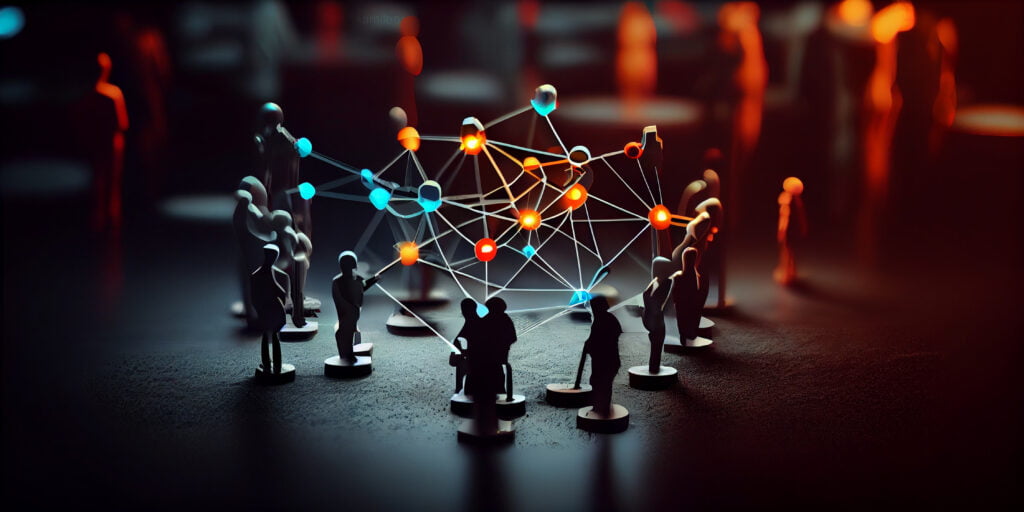
Web3 gaming has changed that, embracing the concept of DAOs – decentralized autonomous organizations – to empower guilds through community-driven decision making and consensus. Gaming DAOs have given a voice to disparate player communities, letting them influence game development, contribute to content, and even allocate pooled treasury resources to mini-games, tournaments, NFT mints and events.
Regular elections, meanwhile, ensure that every player’s opinion matters. This democratic approach has fostered stronger player engagement, trust and loyalty, creating a symbiotic relationship between developers and their communities.
The play-to-earn model itself is also a direct adaptation of the web2 concept of rewarding players for their investment of time and skill. In web2, rewards were largely confined to bragging rights about the level you were able to reach or the in-game commodities (for which there was no marketplace) you might accrue. Blockchain tech, however, enables players to earn while progressing through a game, receiving meaningful rewards for completing challenges and achieving milestones.
This groundbreaking model flips the traditional gaming monetization strategy on its head. Players have gone from being mere consumers to active participants in a game’s ecosystem. The DAO revolution has democratized gaming while the emergence of P2E has furnished players with opportunities to generate real value from their gameplay.
Blockchain with a Purpose
Of course, blockchain for blockchain’s sake is a different proposition entirely. And without naming names, there are definitely a number of web3 games which aren’t nearly as decentralized as they like to claim. In order for web3 to truly flourish, there must be method and utility. Blockchain, NFTs, governance tokens and the rest must bring genuine value to players – otherwise they’re just gaudy bells and whistles.
Thankfully, we have many examples of games that do just that. It’s impossible to imagine a collectible trading card game like NBA Top Shot being popular without the blockchain (in this case, the Flow blockchain, for example. Top Shot enables basketball fans to buy, sell and trade NFTs of NBA-themed digital collectibles such as video highlights: could it flourish without fast transaction speeds, low gas fees and an open marketplace? Probably not.
Rebase is another game that reflects the blockchain-for-a-purpose ethos. Described as an AR adventure and lifestyle app, it’s essentially a web3 iteration of Pokémon Go: rather than play-to-earn, gamers “find-to-earn.” The premise is that any type of digital asset, be it crypto, NFT or in-game item, can be geo-tagged to a specific H3 coordinate anywhere on the planet. In this way, Rebase breaks down barriers between the physical and digital worlds, gamifying the NFT minting experience while helping users get out and about IRL.
Immersive metaverses like The Sandbox and Alien Worlds, meanwhile, use web3 tech to encourage and tokenize user-generated content and facilitate the trading of digital goods and land. Events hosted in metaverses would be difficult to execute without web3 wallets and NFT tickets.
Final Thought
The blockchain gaming industry’s decision to emulate successful concepts, patterns and models from the web2 world has proven to be a masterstroke. By leveraging the power of distributed ledger technology and integrating it with well-established gaming ideals, impressive results have been achieved. Let’s hope this commitment to blending old and new continues as the gaming landscape evolves.