Blockchain
- Introduction to Blockchain Technology
- Decentralization and Distributed Networks
- Cryptography and Security
- Immutable Ledger and Transparency
- Verification Process and Consensus Mechanisms
- Smart Contracts and Blockchain Applications
- Interoperability and Scalability
- Public and Private Blockchains
- Real-Time Verification
- Data Storage
- Transparency vs Confidentiality
- Disintermediation
- Central Authority in Traditional Systems
- Fraud Prevention in Blockchain
- Traditional Databases vs Blockchain
- Blockchain in Context: Bitcoin and Cryptocurrency
- Concluding Thoughts: Disruption by Blockchain
- FAQ
Introduction to Blockchain Technology
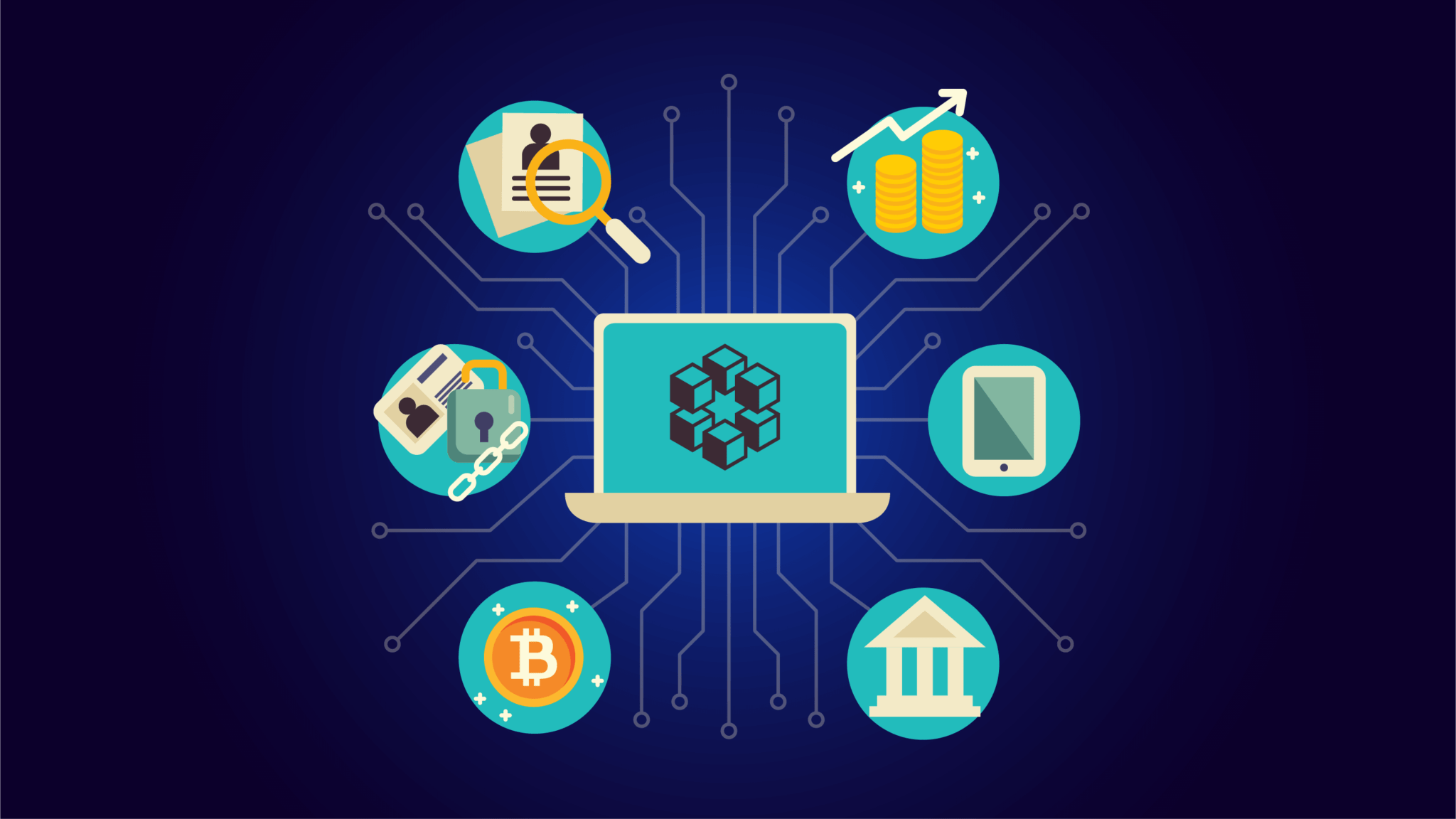
In the realm of information technology, blockchain technology is a revolutionary innovation that promises to redefine the landscape of digital transactions and data management. This digital ledger technology leverages decentralization, cryptography, and immutable ledger characteristics that shape its unique aspects, setting it apart from traditional databases and conventional record-keeping systems.
Decentralization and Distributed Networks
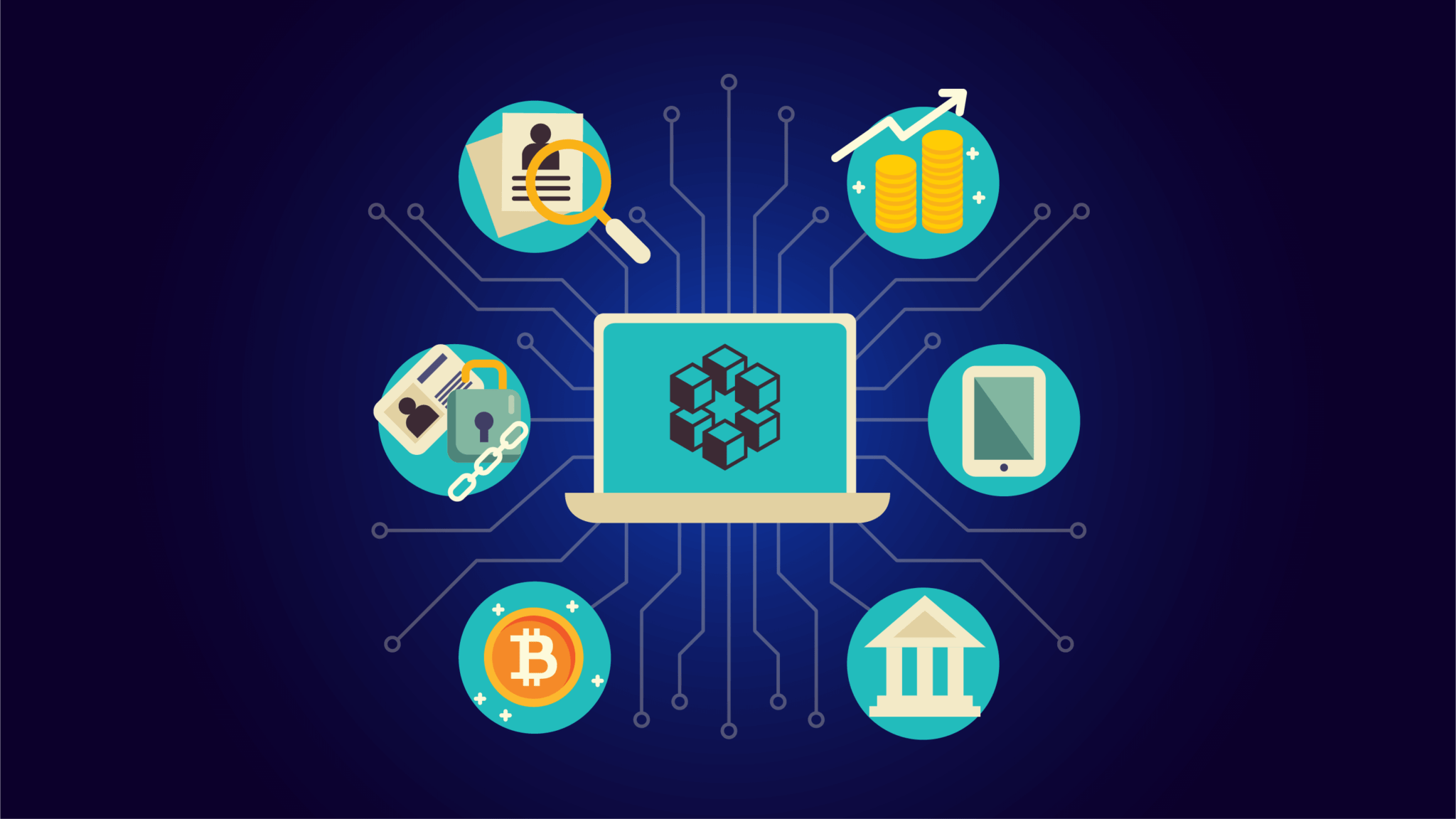
Unlike conventional record-keeping systems which are centralized and managed by a single authority, blockchain utilizes a distributed network of computers, known as nodes. This decentralization is the cornerstone of blockchain’s robust security features and peer-to-peer transactions. It eliminates the potential for data tampering, enhances data privacy, and prevents the possibility of a single point of failure, thus creating a trustless system.
Cryptography and Security
Blockchain technology employs advanced cryptographic hash functions that ensure data integrity and confidentiality. Each transaction in a blockchain is encrypted and linked to the previous one, which adds an additional layer of security. This inherent encryption process in blockchain solutions enhances data protection, a significant upgrade over conventional record-keeping methods.
Immutable Ledger and Transparency
A standout feature of the blockchain is its immutable ledger, which means once a transaction is recorded, it cannot be altered or deleted. This property adds a superior level of data integrity compared to traditional databases. Furthermore, blockchain’s transparency ensures that all transactions can be traced back, promoting accountability and trust within the system, thereby reducing the risk of fraud.
Verification Process and Consensus Mechanisms
The verification process in the blockchain is managed through consensus mechanisms like Proof of Work (PoW) or Proof of Stake (PoS). These mechanisms ensure the authenticity of transactions, offering a more secure verification process compared to conventional systems, which often involve central authorities or intermediaries.
Smart Contracts and Blockchain Applications
Blockchain solutions also leverage smart contracts – self-executing contracts with terms of agreement directly written into lines of code. These allow for versatile blockchain applications in various sectors including business, supply chain, and financial services. Smart contracts streamline processes, enhancing transaction speed and efficiency in comparison to conventional systems.
Interoperability and Scalability
Interoperability is another vital feature of blockchain solutions. Different blockchain networks can communicate and transact with each other, a factor that sets it apart from isolated conventional systems. However, scalability remains a challenge for blockchain solutions. Despite its speed of transactions, the vastness of data processed can sometimes pose scalability issues. Developers are continually working on resolving these challenges to ensure blockchain solutions remain efficient.
Public and Private Blockchains
There are two primary types of blockchains, public and private. Public blockchains are open to anyone and maintain the highest level of decentralization. Bitcoin is an example of a public blockchain. On the other hand, private blockchains, also known as permissioned blockchains, are restricted to certain members. They offer the benefits of blockchain while retaining some control over who can access the network.
Real-Time Verification
One of the critical advantages of blockchain solutions over traditional databases is the real-time verification feature. Once a transaction is initiated on the blockchain, it’s verified almost instantly by nodes within the network. This real-time verification mechanism reduces the processing time, making blockchain more efficient than traditional systems, which often require lengthy verification procedures.
Data Storage
Blockchain has revolutionized data storage with its distributed ledger structure. Unlike conventional databases that store data in a central location, blockchain splits the data across multiple nodes in the network, creating a decentralized data storage system. This not only enhances data security but also ensures data redundancy and resilience against data loss.

Transparency vs Confidentiality
Transparency and confidentiality are two contrasting concepts in blockchain technology. Blockchain’s public ledger provides a high level of transparency, as every transaction can be traced back to its origin. However, blockchain also maintains confidentiality using cryptographic techniques that secure the identity of the parties involved. The balance between transparency and confidentiality sets blockchain solutions apart from traditional record-keeping systems.
Disintermediation
Blockchain’s fundamental feature of disintermediation removes the need for middlemen or central authority in transactions. This is in stark contrast to traditional systems that often require intermediaries for transaction validation. Through the use of smart contracts and consensus mechanisms, blockchain can validate and record transactions without third-party intervention, increasing efficiency and reducing costs.
Central Authority in Traditional Systems
The role of a central authority is pivotal in traditional databases. This authority maintains the system, validates transactions, and controls the access to information. However, central authority often leads to a single point of failure and risks of data manipulation. Blockchain solutions, by eliminating the need for a central authority, address these issues effectively.
Fraud Prevention in Blockchain
Blockchain’s immutable ledger, cryptographic security, and decentralized nature make it highly resistant to fraud. Any attempt to alter or delete a transaction is nearly impossible because it would require control over more than half of the network’s nodes. This inherent resistance to alteration significantly enhances fraud prevention compared to conventional record-keeping systems.
Traditional Databases vs Blockchain
Comparing traditional databases with blockchain highlights the revolutionary aspects of the latter. Where traditional databases are centralized, prone to data manipulation, and depend on intermediaries for transactions, blockchain is decentralized, secure, transparent, and operates independently of intermediaries. These fundamental differences illustrate the disruptive potential of blockchain technology in various industry sectors.
Blockchain in Context: Bitcoin and Cryptocurrency
Bitcoin, the first application of blockchain technology, illustrates the potential of this decentralized model in handling digital assets securely and efficiently. Cryptocurrencies, powered by blockchain, disrupt the conventional financial landscape by removing intermediaries, ensuring faster transactions, and providing enhanced security.
Concluding Thoughts: Disruption by Blockchain
Blockchain technology sets the stage for significant disruption in various industries. Its security features, decentralization, and versatility present a marked improvement over conventional record-keeping solutions. Blockchain solutions offer not just an alternative, but an advanced and potentially superior method of managing digital transactions and data records. While it’s still in its evolving phase, there’s no doubt that blockchain technology will continue to shape our digital future in unimaginable ways.